Feel free to contact us with any questions or feedback. We'll get back to you as soon as we can.

PS : Your email address will never be sold or passed on to any third party.

bupa logo axa ppp healthcare logo aviva logo standard life logo pru health logo cigna logo

Get our Newsletter!

Follow WWPhysiotherapy on Twitter

Neuro-Musculo-Skeletal System

You can think of the human body as a biomechanical structure, made up of three systems:

Woman Working at DeskWoman with ShearsWoman RunningWoman GardeningMan with BagMan WalkingMan Running
  1. Neural– the brain, the spinal cord and all the peripheral nerves and receptors outside the spinal cord.
  2. Skeletal– the spine and the rest of the bones and joints.
  3. Myofascial– the muscles, tendons and connective tissues that hold us together

These three systems are profoundly interconnected. You can’t make a change in one without affecting the other two. This amazing interaction lets us do exceptional, beautiful things such as ballet or running 100m in less than 10 seconds.

But things can go wrong…

A Back Pain Problem

If you strain a joint in your back (the skeletal system) by lifting something incorrectly or sitting in a poor position, then the muscles associated with your back (the myofascial system) will try to compensate, then they become overactive and inflamed. This irritates the nerves (the neural system) connected to and running near the joint and muscles, making them sensitive. These nerves then send the muscles into a holding spasm – and over time this can stiffen the joint and cause more strain.

A Neck Pain Problem

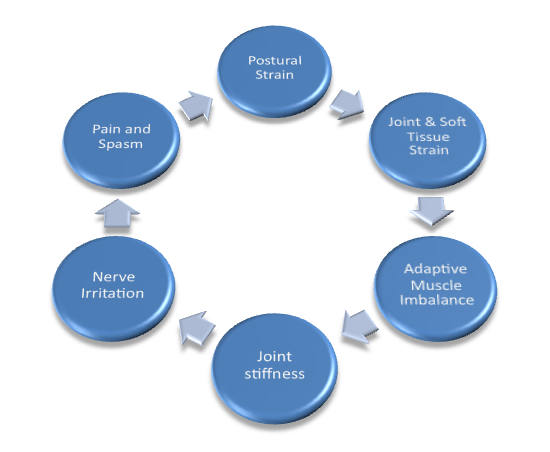
Neck PainIf you slouch forwards at your computer for long periods, you will strain the joints in your upper back and neck (the skeletal system). This makes the muscles at the back of your neck short and tight (the myofascial system) – but at the front of your neck the muscles will be long and weak. This is called muscle imbalance. The strain on your joints and tight muscles irritates the nearby nerves (the neural system) and reduces their mobility, which you feel as pain and sensitivity. Your myofascial system tries to adapt, sending muscles into spasm. You get pain and stiffness first in your neck then your shoulders and arms. It’s a vicious cycle.       
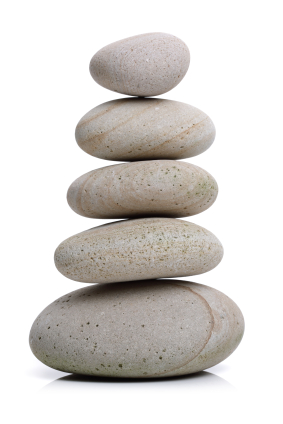
viscious circle stepping stones

Breaking the Vicious Cycle

A good physio assesses, diagnoses and changes how your three systems are interacting.

They understand these interactions thoroughly and know that simply treating the symptoms rarely works in the long term.


Learn more about Muscle Imbalance and Postural Dysfunction…

Learn more about Sports Injuries…
Learn more about Neck Related (Cervicogenic) Headache…

Muscle Imbalance and Postural Dysfunction

What is Muscle Imbalance?

Your body has muscles (or groups of muscles) that are attached to either side of a joint and work against one another to control the movement of the joint. It’s a bit like the handlebars of your bike: you can ride with one hand, but two hands working against each other gives you much better control.

When one side of the opposing muscles is stronger than the other, you have a muscle imbalance. For instance, if you regularly use the muscles on one side a lot more than the other, they get stronger muscles – and shorter and tighter. On the other side, the muscles get weaker – and longer and looser. The shorter, stronger muscles pull that part of your body out of position, and your whole body will end up making adjustments to compensate.

In the bicycle analogy, if one of your arms was slightly shorter than the other you would have to adjust your riding position slightly to keep riding in a straight line.

What causes a Muscle Imbalance?

Muscle imbalances are often caused by something you do as a habit. You might regularly sit slumped at your PC for a long time, or maybe you train one group of muscles but not the opposite group.

What is Postural Dysfunction?

We all have positions we spend a lot of time in. If one of these positions puts your spine and other joints out of their normal balanced alignment, this is a postural dysfunction – and your muscles will adapt and become unbalanced, as described above.

What is the end result?

When a muscle imbalance pulls one of your joints out of position, this puts a strain on that joint. When that strain stresses the nerves around the joint, you feel pain. If your body readjusts itself to ease the pain, other sets of muscles can become imbalanced – and the cycle can continue. A small, local problem in some muscles can become a neuro-muscular-skeletal problem that affects distant parts of your body.

Postural problems can manifest in a wide range of different ways such as:

  • Lower Back Pain
    • Facet joint and ligament strain
    • Slipped discs
  • Shoulder Impingement and Rotator Cuff tendonitis
  • Headaches and Neck Pain
  • Trapped Nerves
  • Sports Injuries
    • Hamstring tears
    • Anterior knee pain

What can be done about it?

Once properly assessed, muscle imbalances and postural dysfunctions are fairly easy to correct. Generally we focus on three main areas:

  • Mobilising joints and releasing short, tight muscles and soft tissues
  • Strengthening the longer, weaker muscles to correct the body’s alignment and movement control
  • Identifying and changing the lifestyle and working factors that are contributing to the underlying problem

Contact us for a detailed assessment of your postural alignment

Learn more about Neck Related (Cervicogenic) Headache…
Learn more about Information Age Syndrome…
Learn more about Sports Injuries…

Sports and Remedial Massage

Whether you are a serious athlete or confined to your workstation for most of the week you are placing your body under a wide range of stresses.

If you are an athlete...

Massage

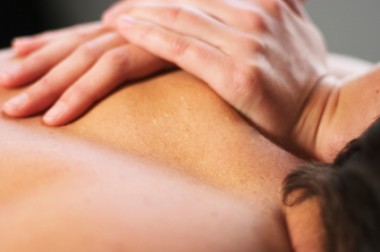
When training, we are overloading our muscles and other soft tissues. This causes low level trauma with the result that the muscles get stronger. This process of recovering and strengthening can be helped by Sports massage, including Myofascial Release, Trigger Point Release and Deep Tissue Massage. 

If you are office based in a stressful environment...

Our bodies are designed to move. That is how we keep good circulation, our joints healthy and our muscles relaxed. When we spend long periods in static postures the circulation in our muscles decreases and even low level strain over an extended period, leads to muscle imbalances and postural dysfunction.

The more stressed we become, the harder muscles work, a bit like the volume being slowly turned up on the stereo until the noise is unbearable. Massage helps to address this overloading of the muscle system by identifying points of strain and overload, releasing them and improving circulation.
To book a session with our highly qualified massage therapist, give us a call today.

Sports Injuries

Breakdown! Is it due to Trauma or Poor Bio-Mechanics and Overuse?


Sports injuries mostly separate into two categories, trauma and training problems – but an injury can fall into both categories when poor training or overuse leads to a muscle imbalance that ends up causing trauma.

1. Trauma

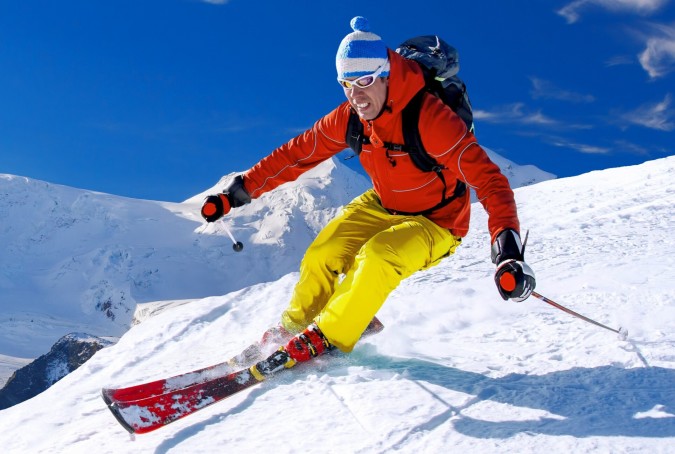
SkiingGenerally as a result of sudden and direct forces/strains etc. Examples include ligament and other soft-tissue strain or tears such as:

  • Torn Anterior Cruciate Ligaments (ACL), a typical skiing or football injury
  • Ankle Sprains
  • Muscle Tears (although these can also be due to factors such as muscle imbalances and poor training as detailed below)

2. Training Problems

The problems caused by overusing your muscles, incorrect training techniques and training on poor equipment tend to take some time to turn serious. People often say they felt a niggle or a mild ache after their exercise or sporting session, and that this got progressively worse until normal exercise became difficult and the pain lasted longer after the session.

Cycling Sports InjuriesThe underlying problem is often a muscle imbalance or bio-mechanical misalignment that you won’t notice in your day-to-day activities. It’s like driving around town and not noticing you have an unbalanced or wobbly wheel. At low speeds, everything seems fine – but when you hit top speed on the motorway, the problem becomes very obvious. Likewise, a small imbalance in how our bodies move can be amplified when we train or exercise.

Another common problem is using the wrong equipment. For instance, the wrong type of running shoe can misalign your foot and leg as you run, which results in joint strain. You may not notice any problems when you are running short distances, but raising your level of exercise when you have a bio-mechanical problem will soon give you an injury.

Examples of this type of injury include:

  • Anterior Knee Pain (often called Runner’s Knee)
  • Ilio-Tibial Band (ITB) Friction Syndrome, another common running injury
  • Rotator Cuff Tendonitis and Shoulder Impingement
  • Achilles Tendonitis
  • Calf Strain/Tears


Poor Core Stability

Poor core stability also causes this type of injury. If you want your movements to be controlled, efficient and sustainable, then you need a stable foundation. Anything less puts your body through unnecessary wear and tear and strain. The stabilising muscles of your trunk should hold you firmly together, aligned correctly, so you can move efficiently and avoid injury.

Unfortunately, with all the time we spend in sedentary postures, our core stabilising muscles are not challenged as much as they should be. This leads to under-activity and weakness.(more about Information Age Syndrome and Muscle Imbalance below)

Real-Time Ultrasound Scanning and Bio-Feedback

Real time Ultrasound image comparing a normal Achilles Tendon with one showing signs of tendonitisBy using real-time ultrasound, we are able to see live images of how certain muscles are working. We mainly use this with patients who have poor core stability as part of their sports specific rehabilitation process.  It is not just people with back pain that need to work on their core stability!


Learn more about Real-Time Ultrasound…

Learn more about Muscle Imbalance and Postural Dysfunction…
Learn more about the Neuro-Muscular-Skeletal System…

Acupuncture

What is it?

Acupuncture

Traditional Chinese Medicine (TCM) acupuncture developed out of a concept of using needles inserted into the body as a means of balancing the movement and levels of ‘Qi’ (energy life force) within the body. An imbalance of Qi is believed to lead to disease and/or pain.


Recent research is now supporting the effectiveness of acupuncture, particularly in the management of pain, suggesting that it is effective in the treatment of low back pain, neck pain and knee osteoarthritis.


Acupuncture is used by physiotherapists as a means of relieving pain via the stimulation of the brain and spinal cord to produce natural pain relieving chemicals, such as endorphins. Other chemicals stimulated are melatonin to promote sleep and serotonin to promote well-being, to name but a few. These assist the body's healing process and offer pain relief as a precursor for other hands-on or exercise therapy.


Does Acupuncture work?

Research has shown that most people gain pain relief from acupuncture. The scientific proof of the release of endorphins allows acupuncture to be integrated with conventional medicine. Clinical trials provide evidence that it has a powerful and sustained effect on musculo-skeletal pain. It is now commonly used by GP’s, physiotherapy departments and pain clinics as a complement to conventional medicine.

What is the process?

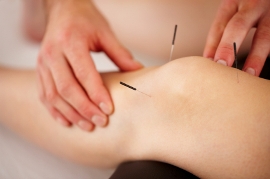
Conventional Acupuncture involves the use of single use, sterilised needles of varying lengths inserted into specific acupuncture points. Your physiotherapist will determine most appropriate acupuncture points, based upon the assessment of the cause of the problem. A number of needles may be used at each treatment and these are typically left in position for up to 30 minutes before being removed.


Trigger point acupuncture may also be used to reduce spasm in specific muscles. Here the needle is placed into the affected muscle until it is felt to relax under the needle and then removed.


As there can be strong cumulative effects, patients are generally treated with acupuncture over three sessions. While acupuncture does not work for everybody or for every condition, good results are frequently achieved.
 

Running Injuries

Are you one of the many people who already or have recently started running?

Running

By this time you would have - or should have! - been through the basics of getting the right shoes, a good training programme and regular stretching.  However, after a few weeks of running we often see injuries start to develop.

There most common of which are:

  • Ilio Tibial Band (ITB) friction syndrome
  • Trochanteric Bursitis - pain on the outside of the hip
  • Calf and Quads strains

There can be a number of underlying problems leading to these injuries but generally there is a common denominator…

Cardiovascular fitness tends to develop fairly quickly, followed by big (mobilising) muscle endurance. The problems start when the distance of the long runs starts to increase. The muscles that are responsible for controlling movement and the running cycle - the stabilising muscles - tend to take longer to develop the same endurance.

It is like having a powerful engine and a full fuel tank but weak supsension that starts to let you down halfway through the journey. Problems such as the first two above therefore tend to only be noticed a few miles into the long runs but progressively worsen as the miles go by.

The muscle strains tend to have a simpler cause: your body is being pushed to do more than it is currently able to cope with (or you have an underlying muscle imbalance). If you dont have a specific race in the diary and time is not an issue, and you could allow more rest time between runs together with the right stretches, the strength of the muscles and tendons will catch up and the problem would go away. In order to prevent this problem in the first place, the general rule of thumb increase your weekly distance by no more than 10%.

The Answer…

Is to act fast! As you rack up the miles, that little niggle is unlikely to get better. Make a pre-emptive strike and come and see a specialised physio first! Each day that goes by is a day closer to the race and a day less to get the problem sorted and you across the finish line. Unfortunatley, every year we have a few runners whose problems were not dealt with soon enough and we have been in the unfortunate position of having to advise them to pull out of their chosen event and set their sites on the following year!

Looking for a Specialist Running Shop?

We can highly recommend Lanson Running. For more info see our Partners page.

Book an appointment…
Learn more about Sports Injuries…

Neck Related Headache

...also known as Cervicogenic Headache:


Pain of various types experienced in the head and face which is referred from the joints and soft tissues of the neck


Broadly speaking there are two main types of Cervicogenic headache:

Traumatic

A specific incident has strained the joints and muscles of the neck. This could be whiplash or a blow to the head from a fall.

Postural

Long-term strain of the joints and muscles in the neck and upper back has caused stiffening, irritation and mechanical stress.

These problems feed information to a part of the brain known as the trigeminocervical nucleus (TCN), which also gets pain information from the head and face.

Pain information from the neck can be mistaken by the TCN as coming from the head or face. This means people with cervicogenic headaches often don’t have any neck pain at all.

What are the Symptoms?

Woman with headacheAs cervicogenic headaches can present in many different ways, it is difficult to put together a complete list of presenting symptoms. However, generally speaking, neck-realted headaches can have some of the following features:

  • Pain that is either a dull ache or sharp and stabbing
  • Pain at the top of the neck and back of the head that often radiates over the head into the forehead or eye
  • Pain that tends to get worse through the day although when the problem has been there for a while, the headache can be constant
  • The pain tends to stay on one side of the head and neck, and while the headache tends not to cross from one side to the other, it can be felt on both sides


What can be done about it?

We start with a thorough assessment of your body and lifestyle, including your posture, specific movements, vertebral alignment, movement of the inter-vertebral joints, muscle strength and length, ergonomic factors and your lifestyle.

We are looking for two things:

  • The Source of the Pain/Headache, so we can deal with the symptoms
  • The Source of the Underlying Problem so we can stop the pain coming back

What does the treatment involve?

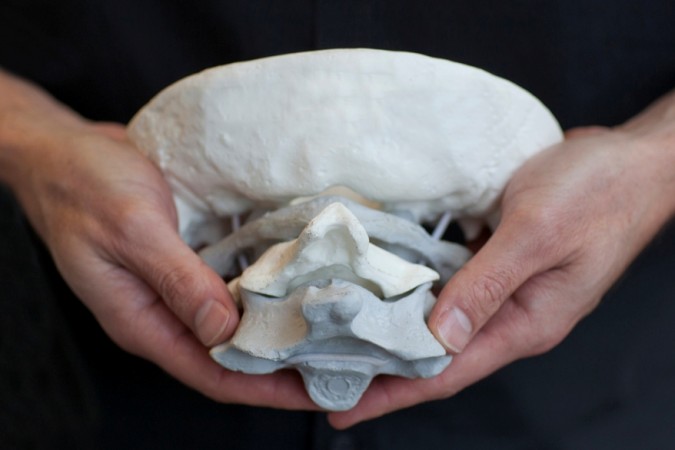
We will typically work directly on the joints involved to mobilise them. This is most often the top three vertebra of the neck. We also work directly on muscles and soft tissue to mobilise them, and we help you strengthen specific muscles and realign and retrain your posture.

We get the best long-term results by helping you understand what caused the problem, telling you what you can change to stop the problem coming back, and showing you exercises you can do to nip a recurring problem in the bud.


One of our team was recently interviewed by Frontline, the publication of the Chartered Society of Physiotherapy, for an article regarding the role Physiotherapy in the management of Headaches:
When Headache is Pain in the Neck - Frontline, June 2009


Learn more about Information Age Syndrome…

Learn more about Muscle Imbalance and Postural Dysfunction…

For more information about Cervicogenic Headache and Migraine go to:
www.headacheandmigraine.com

Information Age Syndrome

“30 years ago the average working man needed rest at the end of the day. Today the average working man or woman needs exercise”

Woman at work with a headacheThis is just one of the consequences of the enormous changes in how we work. And the modern working day also causes a catalogue of problems so familiar to us at Weybridge and Walton Physiotherapy that we’ve named it Information-Age Syndrome.

We say you have IAS if your neuro-muscular-skeletal conditions are caused or complicated by long periods spent holding one postures. If you suffer from IAS, you are probably one of the many whose work now revolves around a computer screen and keyboard – technology that forces you into long periods of highly repetitive motions while sitting relatively still. Our cars and home computers don’t help, either.

Information Age Syndrome:

The collection of neuro-muscular-skeletal conditions that are either primarily caused or secondarily contributed to by long periods in static postures bought about as a result of the proliferation of the VDU based workstations and the automation and highly repetitive nature of tasks associated therewith. - Michael O’Reilly MCSP SRP PDM


The root cause of IAS is long-term postural dysfunction and not enough regular, normal movement. Basically, we don’t move enough. We spend too much time in end-of-range positions such as slumped forwards at a computer, in front of the TV, or in traffic. Your muscles adapt – but this makes them unbalanced, which in turn stiffens and strains your joints (a so called Muscle Imbalance). This irritates your neural system and sets up a vicious cycle of pain, strain, spasm, irritation and more pain

IAS can cause a number of symptoms, including:


  • Headaches
  • Neck pain and stiffness
  • Pins and needles, pain, numbness and weakness caused by irritated or even trapped nerves
  • Shoulder pain and stiffness (and even frozen shoulder)
  • Pain and stiffness of the mid- and upper-back
  • Lower-back pain

These conditions can occur suddenly but they more often develop slowly, starting with a niggle or slight stiffness. The symptoms usually get worse as the weeks and months go by, and pain medication gives only temporary relief.

The cause of the problem is often so subtle that it goes unnoticed. Imagine a grain of sand being added to a load every day until finally the weight is too heavy to ignore.

IAS is not the only problem that can cause these symptoms – trauma, wear and tear or an underlying condition can be the source of the symptoms. But even then, static postures held for long periods will usually make the problem worse.


What can be done about it?

As with all neuro-muscular-skeletal conditions, a thorough assessment is needed to work out which structures are involved – which joints, vertebrae, muscles and nerves have been affected. And it’s just as important to identify the work and lifestyle factors that have caused the problem in the first place.

Once we understand your specific problem, we can develop a rehab programme to tackle it. Hands-on therapy for the physical problems; exercise and education to help you understand the mechanics of the problem and how you can adapt your posture and lifestyle to get to the root of the problem.


What are my chances of getting better?

These problems are mainly caused by the small things we do every day, so a lot depends on whether you can make the necessary changes. Rehab is a two-sided coin: hands-on physiotherapy on one side; postural and lifestyle changes just as important on the other.

There’s a very good chance we can help you get very good results – and if you can make the necessary adjustments, your problems could be gone for good.


Learn more about Muscle Imbalance and Postural Dysfunction…

Learn more about Neck Related (Cervicogenic) Headaches…
Learn more about the Neuro-Muscular-Skeletal System…

Real-Time Ultrasound

Real-time ultrasound scanning and bio-feedback

Real time Ultrasound image comparing a normal Achilles Tendon with one showing signs of tendonitisWe offer our patients real-time ultrasound scans so they can see how well certain muscles are working.

The difference this makes to rehabilitation is astonishing. Real-time ultrasound allows you to see live pictures of the deep abdominal and spinal muscles and how well they are working. This can help you understand the function of key muscles and improve your ability to effectively perform exercises, making sure you are strengthening the right muscles.

The ability to retrain these muscles is key in treating certain types of low back pain and assists in reducing pain, improving function and preventing future injuries. Even the strongest of people can be using their muscles incorrectly so real-time ultrasound is useful for everyone!

The immediacy we get whilst using real time ultrasound means that patients can progress with their rehabilitation there and then and can witness their improvements first hand.

So, having an Ultrasound Scanner means our patients can:

  • See exactly which of the abdominal muscles they are contracting and therefore specifically isolate the core stabilising muscles that help prevent back pain.

Contact us…
Book an Appointment…

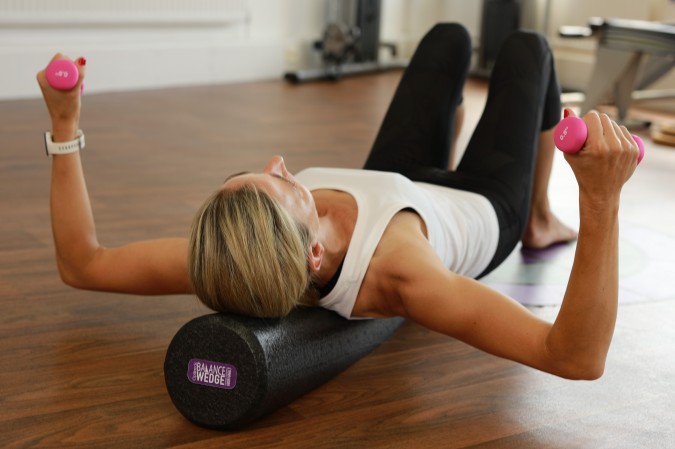
Pilates

At Weybridge and Walton Physiotherapy one of our chartered physios, Jeremy Davis, is also a fully qualified Pilates teacher. We are also fortunate to have a close working relationship with Pilates Works Studio, so when your rehab is over you can carry on with Pilates, work on your muscles and spine to keep them healthy for longer.

We use Pilates in injury rehabilitation to give you efficient movement with good stability. We believe Pilates is the best exercise for getting bodies moving properly, and because this is the goal we are all working towards, a lot of our rehabilitation strategies are based on Pilates.

All their Pilates teachers are full time and fully qualified, so you get the best Pilates experience in both one-on-one sessions and the classes.

Go to Pilates Works Studio…

Women’s Health

Women’s Health and Continence

In every age group, one woman in four suffers from bladder leakage. For men, it is one in ten. This is often caused by weak muscles in the pelvic floor, and exercise (and sometimes bladder retraining) can postpone surgery or make it unnecessary.

Physiotherapy can help if:

  • Your bladder leaks when you cough, laugh or sneeze
  • You find it difficult holding on to urine
  • You find yourself suddenly needing to urinate with urgency
  • Your pelvic-floor muscles are weak because of childbirth, the menopause, or prostate surgery

We offer health-checks of the pelvic-floor muscles for women who have had a baby or been through the menopause. Physiotherapy can also help with mild symptoms of prolapse in women and chronic pelvic pain in men and women. Both of these conditions respond well to trigger-point massage. And if you suffer from constipation, we can help you with treatment and advice. Before we treat you for some of these conditions, we may ask you to see your GP to rule out other medical conditions.

Did you know that if you...

  • Are a woman who regularly does impact sports and activities like running or aerobics
  • Have given birth or
  • Have generally lax ligaments (are "double jointed")

...you may be at risk of having a weak pelvic floor, and not be aware of it. Our Clinical Specialist Physiotherapist, Diane Wootton is a full member of the Association of Chartered Physiotherapists in Women's Health. See Our Team for more info.

Partners

Organisations we Partner with, Sponsor or Support and why…

Lanson Running

Lanson Running take a similar approach to Weybridge & Walton Physio in that their Physio Endorsed Fitting Service is very much a hands-on approach. Their professional, friendly and personal service make it very consistent with the experience of visiting one of our Physiotherapists. Their range of running shoes, clothing, accessories and gadgets is extensive and will cater for all your running needs. Plus visit their website for convenient fast-paced online shopping if you cannot make it to their store just outside Kingston town centre in Hampton Wick.

www.lansonrunning.com

Compassion

“Having sponsored children through Compassion for the last six years, we have seen how the effect that consistent investment and love can have to change a whole family.” - Adele O’Reilly

www.compassionuk.org

Vision Rescue

Vision Rescue Logo“Having been to Mumbai and seen the work of Vision Rescue first hand, I was amazed what a powerful change consistancy and few pounds can achieve. This organisation really is changing lives and therefore changing our future!” - Michael O’Reilly

www.visionrescue.org.in

Weybridge Rowing Club

We really believe in the value of community and the importance of creating healthy and challenging environments for people of all ages. Our sponsorship of Weybridge Rowing Club is a reflection of this. Our other aim is to see help club members stay injury free and so doing help them to reach their sporting goals. 

www.weybridgerowing.org.uk

Private GP Services

One Stop LogoLooking for a Private GP in the Weybridge & Walton area? Consider One Stop Health. They have been providing private GP services in Walton for over 25 years. Owned and run by 5 GP’s, they offer same day appointments with the doctor of your choice, ensuring continuity of care.

www.onestophealth.co.uk

Join the Team

Are you...

  • An experienced, motivated and dynamic Chartered Physiotherapist?
  • Wanting to improve your clinical reasoning, rehab and manual skills?


Do you...

  • Love what you do?
  • Want to be part of a great working environment of learning and challenge?
  • Like what you read about us and our comprehensive problem-solving approach?


You might be just the person we are looking for...

We have an opportunity for the right person to start in a part-time role, increasing to full time as the role develops.


Interested?     Contact us