01932 847 900 Message us



...also known as Cervicogenic Headache: Pain of various types experienced in the head and face which is referred from the joints and soft tissues of the neck
A specific incident has strained the joints and muscles of the neck. This could be whiplash or a blow to the head from a fall.
Long-term strain of the joints and muscles in the neck and upper back has caused stiffening, irritation and mechanical stress.
These problems feed information to a part of the brain known as the trigeminocervical nucleus (TCN), which also gets pain information from the head and face.
Pain information from the neck can be mistaken by the TCN as coming from the head or face. This means people with cervicogenic headaches often don’t have any neck pain at all.
 As cervicogenic headaches can present in many different ways, it is difficult to put together a complete list of presenting symptoms. However, generally speaking, neck-realted headaches can have some of the following features:
We start with a thorough assessment of your body and lifestyle, including your posture, specific movements, vertebral alignment, movement of the inter-vertebral joints, muscle strength and length, ergonomic factors and your lifestyle.
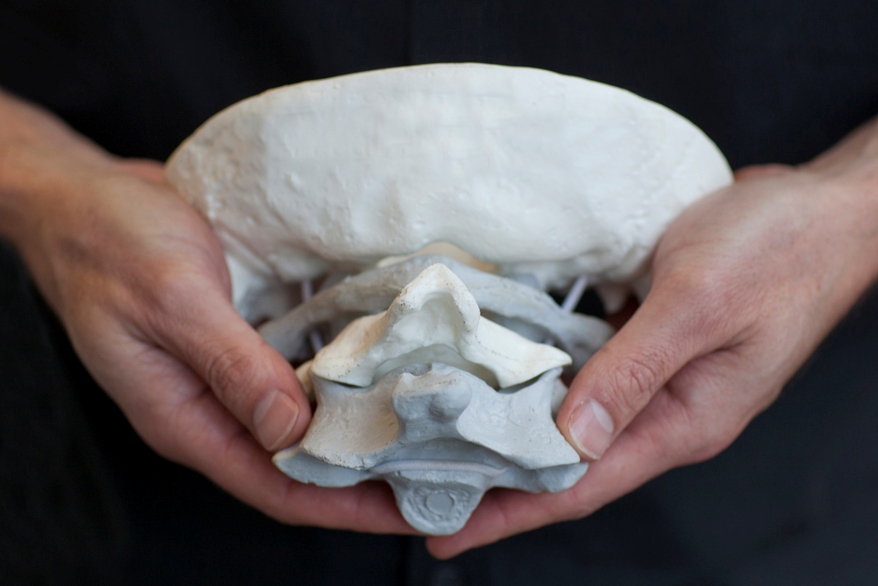
We will typically work directly on the joints involved to mobilise them. This is most often the top three vertebra of the neck. We also work directly on muscles and soft tissue to mobilise them, and we help you strengthen specific muscles and realign and retrain your posture.
We get the best long-term results by helping you understand what caused the problem, telling you what you can change to stop the problem coming back, and showing you exercises you can do to nip a recurring problem in the bud.
One of our team was interviewed by Frontline, the publication of the Chartered Society of Physiotherapy, for an article regarding the role Physiotherapy in the management of Headaches:
When Headache is Pain in the Neck - Frontline, June 2009
For more information about Cervicogenic Headache and Migraine go to:
www.watsonheadache.com











The Weybridge & Walton Physio Therapy team are registered with:

We’re trusted by leading insurers: